
Breaking Down the Latest Aviation and Aircraft Trends of 2026
- Frederick Asante
- Mar 20
- 3 min read

The aviation industry is evolving faster than ever in 2026, driven by new technologies, environmental concerns, and changing passenger expectations. This year marks significant progress in aircraft design, sustainable fuels, and digital innovation. Whether you are an aviation enthusiast, industry professional, or frequent traveler, understanding these trends offers a glimpse into the future of flight.
1. Electric and Hybrid Aircraft Take Off
One of the most talked-about developments in 2026 is the rise of electric and hybrid aircraft. Several manufacturers have introduced models that reduce or eliminate the use of traditional jet fuel. These aircraft use electric motors powered by batteries or hybrid systems combining electric power with conventional engines.
Example: The E-Flyer 2 by Bye Aerospace has completed multiple successful test flights, demonstrating up to 80% lower emissions compared to conventional planes.
Benefit: Electric planes promise quieter flights and lower operating costs, making them ideal for short regional routes.
This shift supports global efforts to reduce carbon emissions and noise pollution near airports.
2. Sustainable Aviation Fuels Gain Momentum
While electric planes are advancing, sustainable aviation fuels (SAFs) remain crucial for long-haul flights. SAFs are made from renewable resources such as plant oils, waste materials, or synthetic processes that capture carbon.
Airlines like United and Lufthansa have committed to increasing SAF usage to 30% of their fuel mix by 2030.
In 2026, several airports now offer SAF refueling infrastructure, making it easier for airlines to adopt these fuels.
SAFs reduce lifecycle carbon emissions by up to 80%, providing a practical way to cut the aviation industry's environmental footprint without waiting for full electric adoption.
3. Autonomous Flight Systems Expand
Automation in aviation is no longer limited to autopilot. In 2026, autonomous flight systems are becoming more sophisticated, with some aircraft capable of fully automated takeoff, navigation, and landing under supervision.
Example: The Vahana air taxi project has moved from prototype to limited commercial operation in select cities.
These systems use advanced sensors, AI, and real-time data to improve safety and efficiency.
While fully pilotless commercial flights are still in testing phases, automation is helping reduce pilot workload and improve response times during emergencies.
4. Supersonic Travel Returns
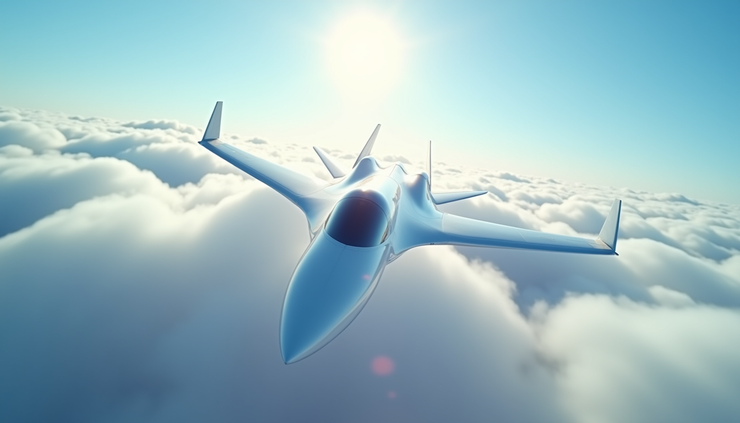
Supersonic travel is making a comeback with new aircraft designed to fly faster than the speed of sound while addressing past issues like noise and fuel inefficiency.
Boom Supersonic’s Overture jet is scheduled for certification trials in 2026, aiming to cut transatlantic flight times in half.
These jets use quieter engines and sustainable fuels to meet modern environmental standards.
Supersonic flights could revolutionize business travel by significantly reducing travel time on popular international routes.
5. Advanced Materials and Manufacturing Techniques
Aircraft manufacturers are increasingly using lightweight composite materials and 3D printing to build stronger, lighter, and more fuel-efficient planes.
Carbon fiber composites now make up over 50% of new commercial aircraft structures.
3D printing allows for rapid prototyping and production of complex parts, reducing waste and costs.
These advances improve aircraft performance and reduce maintenance needs, contributing to lower emissions and operating expenses.
6. Enhanced Passenger Experience with Digital Innovation
Passengers in 2026 enjoy more personalized and seamless travel experiences thanks to digital tools integrated into aircraft and airports.
Airlines use AI-driven apps to provide real-time updates, personalized offers, and smoother boarding processes.
In-flight connectivity has improved, offering faster internet and entertainment options comparable to home streaming services.
Some airlines are experimenting with virtual reality entertainment and biometric boarding to speed up security checks and reduce queues.
7. Urban Air Mobility Takes Shape
Urban air mobility (UAM) refers to small, electric vertical takeoff and landing (eVTOL) aircraft designed for short city trips. In 2026, UAM is moving from concept to reality in several metropolitan areas.
Cities like Los Angeles and Singapore have launched pilot programs for air taxis.
These vehicles aim to reduce traffic congestion and provide quick, eco-friendly transport within urban centers.
Though still in early stages, UAM could transform how people commute in crowded cities.
8. Focus on Safety and Cybersecurity
As aircraft become more connected and automated, safety and cybersecurity have become top priorities.
Airlines and manufacturers invest heavily in protecting flight systems from cyber threats.
New regulations require regular software updates and security audits to prevent hacking risks.
This focus ensures that technological advances do not compromise passenger safety.
The aviation industry in 2026 is marked by exciting progress toward cleaner, faster, and smarter air travel. Electric and hybrid planes, sustainable fuels, and autonomous systems are reshaping how we fly. Meanwhile, supersonic jets and urban air mobility promise new ways to connect the world. For travelers and professionals alike, staying informed about these trends offers a clear view of the future of aviation.

Comments